Introduction: Why Manufacturing Digitization Is No Longer Optional
Across Uganda and East Africa, manufacturing remains a key driver of economic growth. However, many industrial operations are still managed using fragmented systems, manual records, and delayed reporting structures, leading to inefficiencies, hidden costs, and weak decision-making.
In January 2026, I participated in a three-day Industry 4.0 workshop organized by the Uganda Manufacturers Association (UMA), which brought together representatives from leading manufacturing companies including Movit Products Limited, Ankole Coffee Producers Cooperative Union, Rena Beverage Solutions, Mukwano Group, and Concrete Classics Enterprises Limited, among others. The program focused on digitization and digital transformation as strategic tools for improving operational efficiency, transparency, and competitiveness.
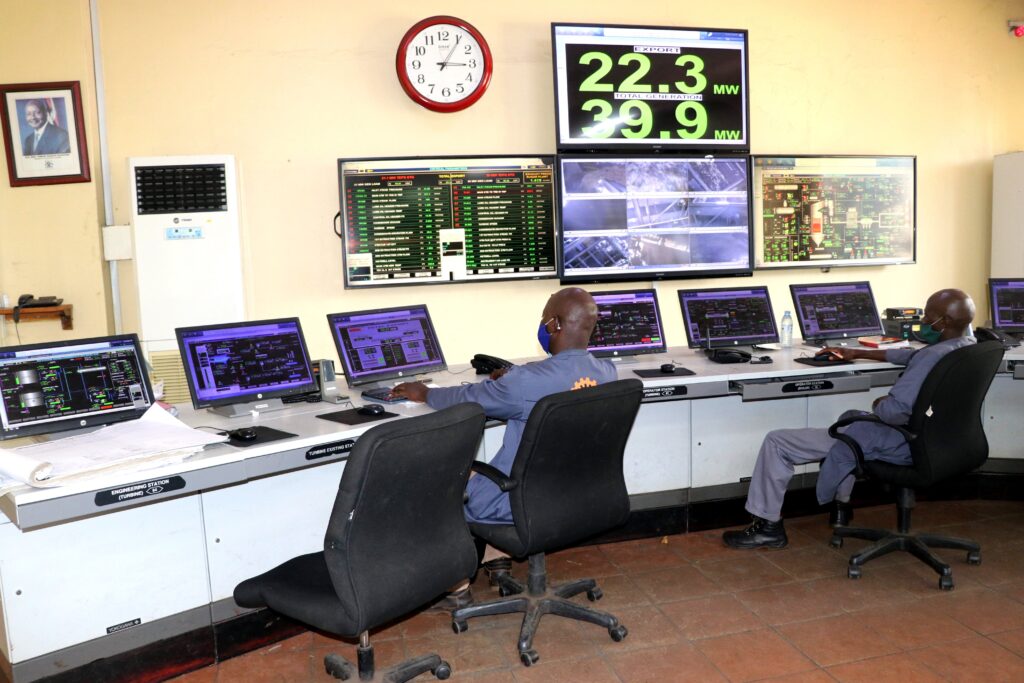
The training combined technical sessions, system demonstrations, and an industrial field study at Kakira Sugar Limited, providing participants with both theoretical and practical exposure to modern manufacturing systems. The experience offered valuable insights into how digital technologies, when properly implemented, can convert traditional factories into data-driven, high-performance production environments.
This article analyzes the core lessons from that training and their implications for Uganda’s manufacturing sector.
Understanding the Core Challenge: Operational–Administrative Disconnection
One of the most persistent challenges in manufacturing is the disconnect between physical operations and management systems.
In many factories:
- Production occurs in real time
- Materials are consumed continuously
- Machines operate around the clock
- Labor is deployed dynamically
Yet, reporting is done manually and retrospectively.
As a result:
- Cost structures are estimated rather than measured
- Production efficiency is assessed late
- Waste is identified after losses occur
- Strategic decisions rely on historical data
This gap creates what industry experts refer to as “operational opacity.” Management lacks continuous visibility into factory performance.
Digital transformation aims to eliminate this opacity by embedding data collection directly into daily operations.
Financial Digitization and Real-Time Cost Engineering
Moving Beyond Traditional Costing Models
Traditional manufacturing accounting relies heavily on periodic reporting and standard costing models. While useful for compliance, these models fail to capture real-time operational variations.
Modern digital costing systems integrate:
- Material issuance records
- Labor time tracking
- Machine utilization data
- Energy consumption metrics
- Overhead absorption models
This enables the calculation of actual unit costs as production occurs.
During the training, emphasis was placed on integrated costing frameworks that link shop-floor activities directly to financial ledgers. These systems eliminate the “costing delay” that often hides inefficiencies.
Strategic Impact
For manufacturers, real-time costing delivers:
- Accurate product pricing
- Early detection of process inefficiencies
- Improved budgeting and forecasting
- Better contract negotiation capacity
In sectors such as concrete manufacturing, where margins are sensitive to raw material prices and energy costs, real-time cost visibility is particularly critical.
Workforce Digitization and Performance Engineering
From Attendance Tracking to Productivity Systems
Human capital remains one of the largest cost centers in manufacturing. However, many organizations still manage workforce data manually.
The workshop highlighted the transition from basic attendance systems to integrated workforce performance platforms, incorporating:
- Biometric identification
- Geofencing verification
- Task-based time allocation
- Digital performance logs
These systems ensure that labor input is measured objectively and linked to output.
Creating Data-Driven Human Resource Management
Digitized HR systems enable management to:
- Detect productivity variations
- Identify skills gaps
- Structure incentive systems
- Reduce payroll leakage
- Support fair promotions
More importantly, they promote a culture of accountability and professionalism.
Workforce digitization shifts HR management from administrative supervision to performance engineering.
Operational Intelligence: Digitizing Assets, Inventory, and Logistics
Inventory Visibility and Material Control
Inventory mismanagement is a major source of capital loss in manufacturing. Manual stocktaking processes are slow, error-prone, and disruptive.
Digital inventory systems leverage:
- Mobile data capture
- QR and barcode scanning
- Timestamped transaction records
- Cloud-based reconciliation
These tools allow continuous stock verification without interrupting production.
Predictive Maintenance and Asset Optimization
Reactive maintenance strategies increase downtime and repair costs. Digitized maintenance systems use operational data to predict equipment failure.
By monitoring parameters such as:
- Runtime
- Load conditions
- Temperature
- Vibration patterns
systems can generate maintenance alerts before breakdowns occur.
This transforms machinery from unpredictable liabilities into managed production assets.
Governance, Compliance, and Digital Quality Assurance
Eliminating Administrative Bottlenecks
Paper-based approval processes introduce delays and weaken traceability. Digital governance systems replace manual procedures with:
- Automated workflow routing
- Secure electronic signatures
- Timestamped approvals
- GPS-based verification
These features ensure regulatory compliance and improve organizational transparency.
Embedding Quality into Production Processes
Digital quality management systems integrate inspection requirements into production workflows. Operators cannot advance processes without completing predefined checks.
This approach:
- Reduces defect rates
- Improves traceability
- Strengthens certification compliance
- Protects brand reputation
Quality becomes a built-in system function rather than an afterthought.
Integration Architecture and Infrastructure Realities
Zero-Code and Modular Integration
One of the major barriers to digital adoption is system complexity. The training emphasized modular, zero-code integration frameworks that allow companies to link new tools to existing ERP platforms without extensive development.
This approach reduces:
- Implementation risk
- Project duration
- Consultant dependency
- Total cost of ownership
Designing for Low-Connectivity Environments
In the Ugandan context, unreliable internet remains a structural constraint. Offline-first system architectures address this challenge by enabling local data capture and delayed synchronization.
This ensures operational continuity regardless of network stability.
Industrial Benchmarking: Lessons from Kakira Sugar Limited
The field visit to Kakira Sugar Limited provided empirical evidence of digital transformation in practice.
Key observations included:
- Centralized production monitoring
- Integrated maintenance management
- Real-time reporting systems
- Structured quality laboratories
- Cross-departmental data integration
Kakira’s systems demonstrate how sustained investment in digital infrastructure leads to operational resilience, scalability, and international competitiveness.
Implications for Uganda’s Manufacturing Sector
The lessons from the workshop point to a strategic imperative: digital transformation is no longer a technological upgrade; it is an organizational redesign.
Manufacturers that invest in digital systems gain:
- Structural efficiency
- Cost leadership potential
- Operational transparency
- Improved investor confidence
- Enhanced market access
Those that delay risk progressive marginalization.
R-TECK’s Strategic Positioning
At R-TECK, we approach digital transformation as a systems engineering process rather than a software deployment exercise.
Our methodology focuses on:
- Operational process analysis
- System integration planning
- Context-sensitive deployment
- Capacity building
- Long-term scalability
We aim to deliver solutions that align technology with business objectives and local operational realities.
Conclusion: Engineering the Digital Factory
The UMA Industry 4.0 workshop confirmed a fundamental truth: the factory of the future is a digitally coordinated ecosystem where finance, operations, workforce, and governance systems operate as a unified platform.
Digital transformation is not about installing software. It is about engineering intelligent production environments.
Uganda’s industrial competitiveness will depend on how effectively its manufacturers embrace this transition.
At R-TECK, we remain committed to supporting this evolution through practical, scalable, and sustainable digital solutions.
Related

Why Ugandan Businesses Still Struggle With Digital Transformation — And How R-TECK Solves It
In 2025, you would expect most Ugandan businesses to be running on modern systems. You’d expect farms to be digitally monitored, retail shops to track stock in real time, restaurants to automate orders, and SMEs to use data instead of guesswork. But walk into a typical Ugandan shop, factory, school, or farm and the reality hits you: Paper everywhere. Manual calculations. WhatsApp orders. Verbal instructions. Confusion masked as “the way we do things.” It’s not because Ugandan entrepreneurs lack ambition; many are incredibly bold. It’s because they’re carrying their businesses on a foundation built decades ago. And that foundation is cracking. This article explores the real reasons digital transformation in Uganda keeps failing — and what it will take for businesses to finally break free.

2026 Will Expose Weak Businesses — Is Yours Ready?
Most Ugandan businesses will fail in 2026. Not because they lack money. Not because the market isn’t there. Because they are fragile, unstructured, and invisible to their own weaknesses. If your business can’t run without you, it isn’t a business — it’s a job you created for yourself.

Why Most Ugandan Businesses Are Always Busy — But Rarely Growing
The illusion of movementOn any ordinary weekday morning, Ugandan businesses look alive.Phones don’t stop ringing. Staff move quickly, half-running bet...
Comments (2)
Katureebe Rogers 8 months ago
This very impressive, and eye opening, bigup to Rteck uganda
Katureebe Rogers 8 months ago
This very impressive, and eye opening, bigup to Rteck uganda